
Loose Fill Removal Contractors
Enquire Today For A Free No Obligation Quote
At Loose Fill Removal Contractors, we specialise in the safe extraction and disposal of outdated or hazardous insulation materials from lofts and roof spaces.
Loose fill insulation, such as cellulose, mineral wool, vermiculite, or perlite, was widely used in older homes across the UK. Over time, these materials often degrade, absorb moisture, become compacted, or present health risks.
Since modern insulation standards have improved significantly, more homeowners are now choosing to have loose fill insulation professionally removed.
Request a free, no-obligation in loose fill removal contractors.
What Do Loose Fill Removal Contractors Do?
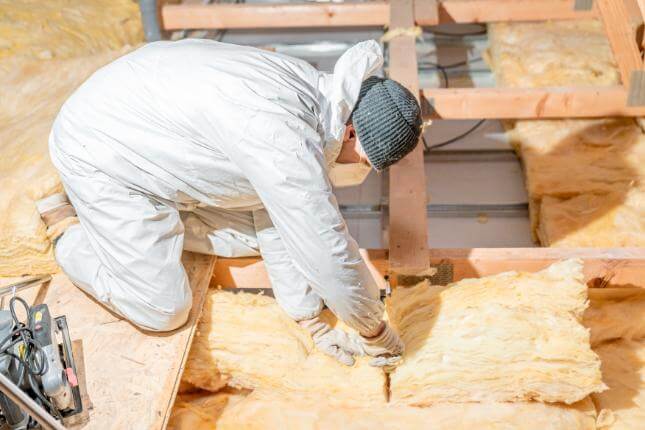
Loose fill removal contractors extract existing loose insulation materials using high-powered vacuum systems and approved waste handling methods.
The process begins with a full loft survey to identify the type and condition of the insulation. It continues with protective setup, careful extraction, and thorough clean-up of the loft space.
Contractors must also comply with UK regulations on insulation disposal, particularly where asbestos-containing vermiculite may be present.
How Much Does It Cost to Remove Loose Fill?
The cost to hire loose fill removal contractors is from £450 to £1,200.
Costs depend on loft size, insulation type, access difficulty, and whether the material is classified as hazardous.
Standard cellulose or mineral wool removal usually falls between £550 and £850. Vermiculite removal requiring asbestos testing and specialist disposal may increase costs to £1,500 to £3,000.
Free site surveys are the best way to receive a fixed quote tailored to your property.
Why Hire a Professional Loose Fill Removal Contractor?
Hiring a qualified contractor ensures that insulation is removed without spreading dust, damaging your loft structure, or exposing your household to potential health risks.
Professional contractors use sealed vacuum systems, full PPE, and containment measures to safely remove even the most fragile or contaminated materials.
Using a certified team also ensures legal compliance with waste disposal laws and building regulations, particularly in homes with older or non-standard insulation materials.
What Type of Loose Fill Insulation Do Contractors Remove?
Contractors remove all common loose fill materials, including cellulose fibre, mineral wool, perlite, and vermiculite.
These materials differ in appearance and risk level. Vermiculite, for example, can contain asbestos and must be tested before removal.
Contractors assess the insulation type on-site and select the appropriate removal method, whether standard vacuum extraction or regulated asbestos handling procedures.
Is It Safe to Remove Loose Fill Insulation Yourself?
DIY removal of loose-fill insulation is not recommended due to dust exposure, lack of proper filtration equipment, and potential contamination risks.
Without commercial-grade vacuums and PPE, you may disturb harmful fibres or allergens that can become airborne during removal.
Professional contractors follow HSE guidance and waste control regulations to ensure safety during removal and disposal.
Attempting it yourself could not only damage your loft space but also breach environmental waste regulations.
How Long Does It Take for Contractors to Remove Loose Fill Insulation?
In an average-sized UK loft (3-bedroom semi-detached), most removal projects are completed within 4 to 8 hours.
If the insulation is compacted, wet, or suspected to contain asbestos, removal may take 1 to 2 days, including testing and containment setup.
Contractors will provide a clear timeframe after conducting an initial site visit and assessing access, insulation depth, and loft conditions.
Do Contractors Provide Waste Documentation?
Professional loose fill removal contractors provide full documentation to confirm safe and legal disposal.
This includes waste transfer notes for non-hazardous materials and hazardous waste consignment notes where asbestos or contaminated material is present.
These documents are essential for homeowners applying for grants, updating EPC records, or selling the property in the future.
What Happens After the Insulation Is Removed?
Once insulation is extracted, the loft is vacuumed and cleaned to remove dust, debris, and remaining fibre particles.
The space is then ready for immediate upgrades, including re-insulation with compliant materials, raised loft boarding, or electrical rewiring.
Many homeowners request new insulation to be installed the same day, ensuring continuous thermal protection without unnecessary disruption.
What Are the Benefits of Hiring a Loose Fill Removal Contractor?
Using trained contractors ensures safe, efficient, and regulation-compliant insulation removal.
- Eliminates unsafe or underperforming insulation from the property
- Improves air quality by removing dust, pests, and damp fibres
- Reduces fire risk in older cellulose or vermiculite installations
- Prepares the loft for insulation upgrades, conversions, or storage systems
- Meets UK legal requirements for insulation waste handling
- Provides essential documentation for grants, EPCs, or resale purposes
- Delivers a cleaner, safer loft space with minimal disruption
Do Contractors Work in Occupied Homes?
Most loose fill removal work is completed while the home is occupied, with minimal disruption.
Contractors isolate the loft space, seal the access hatch, and use filtered extraction systems to prevent dust from spreading into living areas.
Contractors typically complete removal in a single working day, keeping disruption to a minimum for households, tenants, or landlords.
Can Loose Fill Insulation Be Removed from Cavity Walls?
Loose-fill insulation can be removed from cavity walls, but the process is more complex than loft insulation removal and requires specialist equipment.
This type of removal involves drilling access points into the external wall and using negative pressure vacuums to extract the loose material without damaging the brickwork or cavity ties.
Cavity wall removal is typically requested when insulation has failed due to moisture ingress, incorrect installation, or thermal bridging issues.
Due to the risk of structural impact, only trained contractors should carry out cavity wall insulation extraction under proper method statements.
Is Loft Boarding Possible After Loose Fill Removal?
Loft boarding can be safely installed after the removal of loose fill insulation, provided that compliant insulation is added first.
The removal process clears the way for a clean, level surface, and modern raised boarding systems can then be installed over new insulation without compressing it.
This approach is commonly used to create storage space in homes that previously had unusable or unstable loose fill insulation.
Contractors often offer removal, re-insulation, and boarding as a single integrated service.
Can You Work Around Solar Panels or Loft Cabling?
Professional contractors can safely remove insulation around solar PV cabling, junction boxes, and electrical systems installed in the loft.
During the removal process, contractors take care to identify and protect live wires, service cables, and inverter pathways connected to solar installations.
Thermal insulation is cleared around cables without damaging electrical components, and access is preserved for future maintenance.
Special attention is also given to preserving the airflow required by loft-mounted equipment such as solar inverters or battery storage units.
Can You Work Around Solar Panels or Loft Cabling?
Professional contractors can safely remove insulation around solar PV cabling, junction boxes, and electrical systems installed in the loft.
During the removal process, contractors take care to identify and protect live wires, service cables, and inverter pathways connected to solar installations.
Thermal insulation is cleared around cables without damaging electrical components, and access is preserved for future maintenance.
Special attention is also given to preserving the airflow required by loft-mounted equipment such as solar inverters or battery storage units.
What If My Loft Has Been Partially Converted?
In homes with partially converted lofts, contractors can still remove loose fill insulation from unconverted zones without disturbing living areas.
This scenario is common in properties with dormer extensions or boarded storage sections adjacent to insulated loft voids.
Contractors access the remaining insulated areas through existing hatches or service panels, and insulation is extracted from within the joist voids without compromising any structural finishes.
Where necessary, floorboards can be lifted and replaced during the removal process.
Will You Check for Pests or Animal Contamination?
During the inspection and removal process, contractors assess for signs of rodent nesting, bird intrusion, or insect infestations.
Loose-fill insulation is particularly susceptible to contamination because it provides a warm, undisturbed environment that attracts pests.
If evidence of pests is found, such as droppings, nests, or dead animals, the affected insulation is treated as contaminated waste and removed under higher safety protocols.
Contractors can also refer pest control specialists and recommend loft sanitation or odour-neutralising treatments as required.
Can Loose Fill Be Reused or Recycled?
Loose fill insulation is generally not reusable or recyclable after removal due to contamination, material degradation, and safety concerns.
Once disturbed, the insulation is exposed to dust, debris, and biological contaminants, making it unsuitable for repurposing or reuse in residential environments.
All removed material is classified as construction waste (or hazardous waste if asbestos is confirmed) and transported to licensed disposal facilities.
Ensures full compliance with the Environmental Protection Act 1990 and local authority waste handling policies.
Can You Work in Properties with Restricted Loft Access?
Professional loose fill removal contractors are equipped to work in properties with small loft hatches, low pitch roofs, or difficult access points.
This is a frequent challenge in Victorian terraces, bungalows, or converted flats where standard equipment may not fit.
Contractors use flexible vacuum hoses, extendable tools, and manual extraction techniques to reach tight or awkward areas without damaging roof timbers or plasterboard.
Access solutions are always discussed during the initial survey to ensure the right approach is taken for each property.
Is There a Best Time of Year to Schedule Removal?
Loose fill insulation removal can be scheduled year-round, but spring and autumn are generally the most practical seasons.
In winter, lofts can be extremely cold and may expose pipes or tanks to freezing once insulation is removed unless temporary protection is installed.
In summer, high roof temperatures can limit working hours due to heat safety protocols.
Many homeowners schedule removals in autumn to upgrade insulation before winter or in spring before carrying out loft conversions or rewiring projects.
Do You Offer Combined Removal and Re-Insulation Packages?
Many loose fill removal contractors offer complete packages that include inspection, removal, clean-up, and re-insulation with compliant materials.
This is often the most cost-effective and efficient option, reducing the need for multiple visits and ensuring continuity between old insulation removal and new system installation.
Contractors also advise on insulation types that meet Part L of the Building Regulations and help homeowners choose between mineral wool, PIR boards, or eco-friendly alternatives, depending on the loft’s intended use.
Request a Free Quote
A reliable loose fill removal company provides safe, efficient, and environmentally responsible solutions for clearing old insulation from your loft.
With specialist equipment and trained professionals, all materials are removed cleanly and safely, leaving your property ready for modern insulation installation.
Whether your insulation is outdated, damp, or contaminated, professional removal ensures a healthy and energy-efficient home.
Get a free quote from a trusted loose fill removal company today and restore your loft space safely with expert insulation extraction services.
Find More Info
Make sure you contact us today for a number of great loose fill removal contractors services.
For more information on Loose Fill Removal Contractors, fill in the contact form below to receive a free quote today.
★★★★★
The team were absolutely fantastic from start to finish. They removed all the old loose insulation quickly and safely, leaving the loft spotless and ready for new materials. Couldn’t have asked for a more professional or courteous service.
Gareth Linton
Greater London
★★★★★
I was really impressed with how efficient and tidy the contractors were. They explained every step of the process and made sure there was no dust or mess left behind. Brilliant service and great value for money.
Helen Worsley
Greater London